12 Jul Greece’s successful mission to attract foreign direct investment
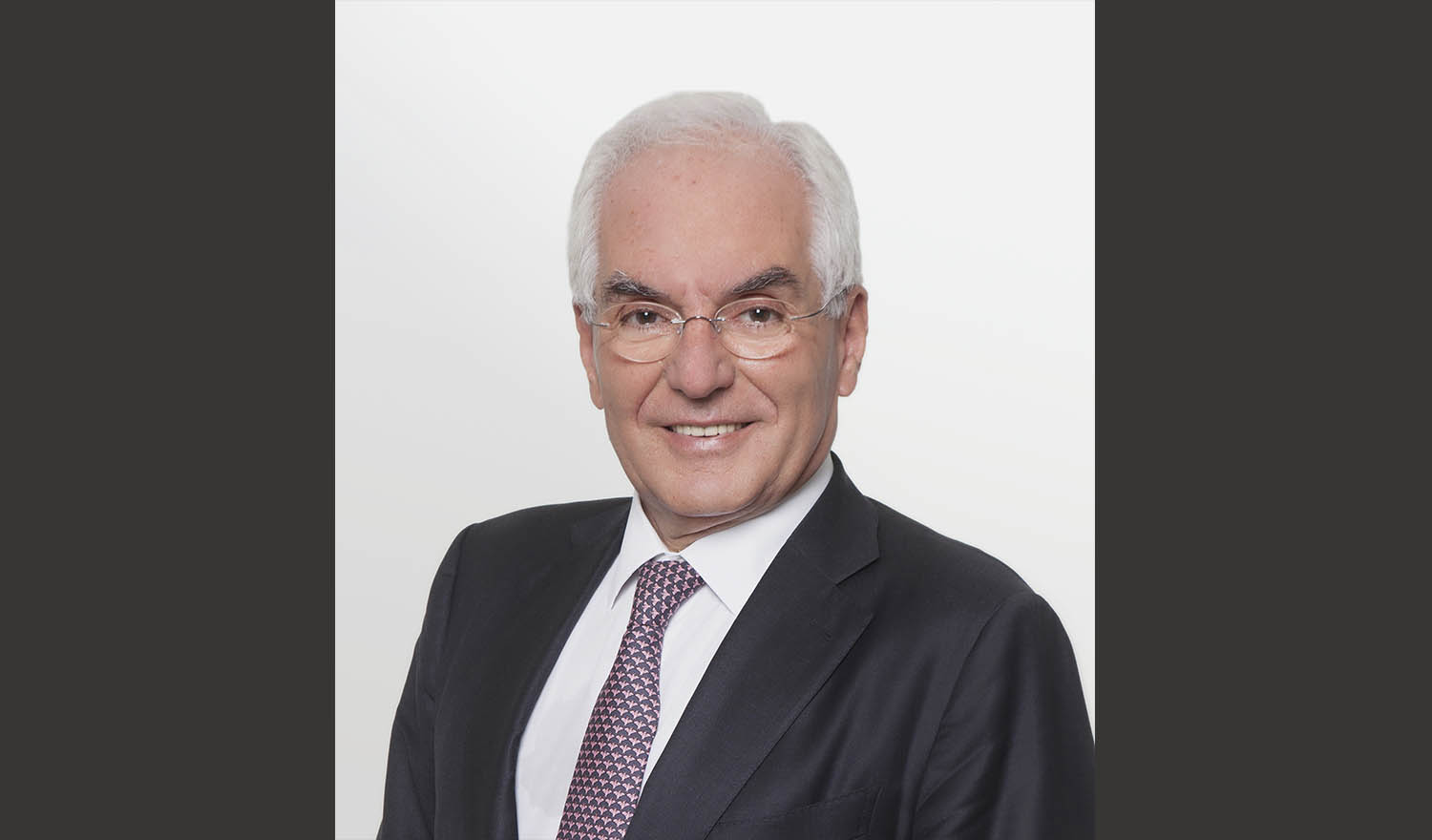
Panayotis M. Bernitsas, Managing Partner, Bernitsas Law Firm, details Greece’s economic climb prior to the COVID-19 pandemic and the rise of foreign investment in the country.
What was the state of Greece’s economy prior to the COVID-19 pandemic and what was it doing to climb out of its recession?
Greece’s economy was back to normalcy, and we expected it to remain so. All capital controls were lifted, which was a big step forward. Greece’s domestic banks and prominent corporations have successfully re-entered international markets. The Hellenic Republic issued its first 15-year bond, with an interest rate of about 1.91% – a rate five-times oversubscribed. Many large Greek issuers, including OTE Group, Hellenic Petroleum and Mytilineos Holdings, managed to raise a substantial amount of funds on attractive terms. Confidence in the market was also evidenced by the presence of equity and other specialized funds and international investors attracted to opportunities in real estate, tourism, hospitality, energy and infrastructure. Prior to the pandemic, international markets trusted Greece to not relapse into a recession. Their presence proves that Greece’s long-term debt is sustainable. EU authorities will reassess the sustainability of the country’s indebtedness after 2032.
How attractive is Greece for foreign investors looking to join the market?
Foreign investors benefit from good protections in Greece, in particular a constitutional guarantee dating back to 1953 that provides safeguards. From the repatriation of liquidation proceeds to the export of dividends, this law provides a sound protection. What people and investors feared most during the previous crisis was political risk and the possibility of Grexit, despite protection mechanisms in place for foreign investments. Greek constitution states that property is protected from expropriation without compensation. There is a framework of bilateral and multilateral investment treaties in place that offer recourse to investors at the International Centre for Settlement of Investment Disputes in Washington should investments be hindered without proper compensation. Investors should feel secure.
The efficiency of the Greek judicial system was a concern during our past economic crisis, with the application of capital controls being a contributing factor. There are delays resulting from a backlog in courts. Issuance of certain permits may take time due to bureaucracy. The law allows non-profit associations to quash administrative decisions, which can generate further delays. However, this is not specific to Greece, especially regarding environmental permits regulated by European Union laws and directives.
Many measures have been taken to adapt the system and make it work more quickly, including laws on strategic investments and providing a one-stop-shop mechanism to address regulatory and town planning issues. Major changes in the code of civil procedure and procedures of administrative courts have been introduced. However, continued reforms are necessary.
Opportunities presented by the non-performing-loans (NPL) market in Greece are substantial. NPL portfolios are attractive in economic environments with low or negative interest rates. Major international players that are active in Greece, such as PIMCO, Apollo Investment Corporation, Intrum, Bain Capital and Fortress Investment Group, have shown great interest in the offered NPL packages and always compete to acquire them.
Greece is back. There is growing interest from international investors in the country after the initial success of equity funds, which is a blessing for the Greek economy, its law firms and financial institutions and the country. CVC Capital Partners made significant investments in the health sector and acquired several hospitals. The presence of international investors will bring with it consolidation of the hospitality sector. With the right incentives, other sectors may open, such as start-up companies looking to take advantage of the digitization process.
How was Greece’s real estate sector doing before the COVID-19 pandemic?
Prior to the COVID-19 pandemic, we witnessed a significant growth in the Greek real estate market. Various international players demonstrated interest and appetite, with all big international hotel brands wanting to invest and acquire contracts to operate Greek touristic projects. For example, Four Seasons became the operator of the landmark Astir Palace hotel.
Athens – and Thessaloniki to a lesser extent – have become destination cities for international tourists, which was not the case in previous years when these cities were used as a springboard for travel to islands. Heightened tourism has completely changed the real estate landscape. Many buildings in Athens were converted to boutique hotels and Airbnb properties were everywhere. We saw a lot of movement in urban centers, with numerous hotels being built in Athens. Many investors were buying small apartments in the center of Athens, whereas many Athenians chose to live outside of the center. There were also greenfield projects taking place.
What has the public sector done to address Greece’s heightened tax rates and simplify tax bureaucracy?
The government is trying to reduce our tax rates. Whenever you increase taxation to a degree that it is not affordable, it encourages tax avoidance and creates an unfair competitive environment for citizens and businesses that cannot or do not want to hide their income. In 2019 the government took important steps to reduce taxes and ease the burden for taxpayers, reducing company income tax by five digit points from 29% to 24%. Dividends are taxed by 5% and may be subject to a better regime where a double taxation treaty or the parent/subsidiary directive is in place. For individuals, the maximum income tax rate was slightly reduced to 44% compared to 45%. Income up to $11,900 was subject to a reduced rate of 9% down from 22%. Tax rates in all tax brackets were reduced by around 1%, except in the latter case. Additional incentives were provided for expenses related to corporate social responsibility and protection of the environment. According to the Independent Authority of Public Revenues, income taxes have improved significantly.
Digitalization of tax returns should result in significant improvements to the collection rate. Electronic books and records, immediate collection of value-added taxes and having all shops and retail outlets connected to the central system will reduce tax evasion dramatically. If tax evasion is reduced and the burden of taxation is shared more evenly, there should be room for considerable tax rate reductions.
How does Bernitsas Law Firm differentiate from its competitors?
Bernitsas Law Firm has a long history of working on privatizations for both private investors and the government in Greece. Over the years, we have acted in numerous ground-breaking privatizations of high-profile companies, such as the Hellenic Telecommunications Organisation, Hellenic Petroleum, Olympic Airlines, Greek Organisation of Football Prognostics, the National Bank of Greece and the water companies of Athens and Thessaloniki. We have also advised on the restructuring of state-owned companies and their listing on the Athens Stock Exchange. Previously the companies were under the umbrella of the government and did not need to comply with various standards applicable to listed companies. Many legislative interventions were required to allow these companies to become private. These transactions were a big success.
We continue our tradition as a leading practitioner in this area for domestic and international investors and public bodies. Highlights of our practice include advising clients for the privatization of the Hellenic Gas Transmission System Operator through the sale of a 66% stake in the company; sale of all of TrainOSE and Rosco shares to Ferrovie Dello Stato Italiane; sale of our two clusters of regional airports through concession contracts; and privatizing Independent Power Transmission Operator, the state lotteries’ licenses and the Astir Palace Vouliagmeni resort.
Certain Greek law firms like ours have always relied heavily on collaboration with international law firms, banks, funds and other investors while other law firms are exclusively focused on Greek clients. A huge advantage for our firm has been the enduring relationships with our international referees and clients. Bernitsas Law Firm has over 50 lawyers and is one of the largest firms in Greece. Although the firm’s size may not be comparable with that of larger international law firms, we enjoy a seamless corporation with practically all major international law firms active in Greece. We have adopted the same department structure and service-orientated business model. International interest in investment in Greece will enhance activity in the legal sector, especially ones with a framework to offer a certain level of service to foreign investors. This activity should help smaller law firms consolidate their services and offer the same service quality as leading firms.
Sorry, the comment form is closed at this time.