

The new series produced by Prisma Reports in partnership with Foreign Policy magazine will be showcasing the world’s legal best and creating new discourse on some of the most relevant and forward-looking topics affecting local and international decision-making in today’s global society.
A Brave New Legal World

As the world slowly emerges from an unprecedented economic crisis and pandemic, public and private sectors around the world are reeling. However, massive changes brought on by sharp shifts in attitudes and leaps in technologies have given birth to a bright new world of business and culture. Law firms around the world are leading the way towards a new paradigm of consultancy based on sustainable and efficient practices.
New global trends such as combating climate change, promoting transparency and changing traditional models of law practice are at the centre of the charge. The worldwide market size for legal services reached more than $700 billion in 2020, with a compound annual growth rate of 3.4 percent since 2015 – and is expected to rise significantly as new forms of legal practices meet profound changes in geopolitics, industry and emerging technologies. Leading lawyers from around the world are embracing the new normal as an opportunity to create a better future.
Law Firms for the Future: Morocco
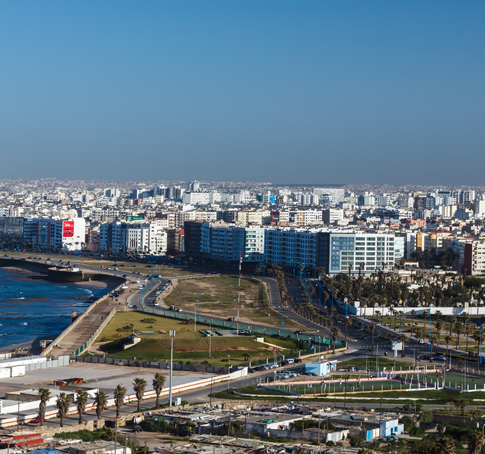
Morocco is set to flourish as it moves beyond a shrunken economy due to the COVID-19 pandemic – a collapse unseen since its recession in 1995. The rollout of the government’s economic recovery, announced in July 2020, has begun with reforms to state-owned enterprises and a new law to expand social welfare to vulnerable populations and provide universal health care. According to the World Bank, gross domestic product is expected to rise by 4% in 2021 due to the nation’s quickly stabilized agriculture sector. Recent policy changes have bumped up investor confidence, which has been on the rise since before the pandemic.
FDI stock sat at $66 billion in 2019, up by more than 20 million when compared to 2010. However, the country still has wide social and regional disparities and an economy largely tied to its agriculture and hydrocarbons industries. Differentiation in the country is ripe, and its legal sector has a huge job ahead of them in reworking policies and updating legal frameworks to fit the government’s lean to become a beacon of industry for North Africa.